Is sulphur always considered Dangerous Goods (DG)?
No, formed solid sulphur is generally exempt from Dangerous Goods classification for ocean freight under specific conditions. According to the IMDG Code Special Provision 242 (SP242), sulphur is not subject to DG regulations if it has been formed to a specific shape, such as pastilles, prills, granules, or flakes.
What is Special Provision 242 (SP242)?
SP242 is a regulatory provision stating that sulphur is exempt from class 4.1 (Flammable Solids) requirements if it is formed into specific physical shapes. This exemption exists because forming the sulphur minimizes the creation of highly flammable sulphur dust during handling and transport.
How does this classification impact export freight rates?
If formed sulphur is classified as DG by mistake, the exporter pays DG rates and handling it does not need.
What forms of sulphur still require Dangerous Goods handling?
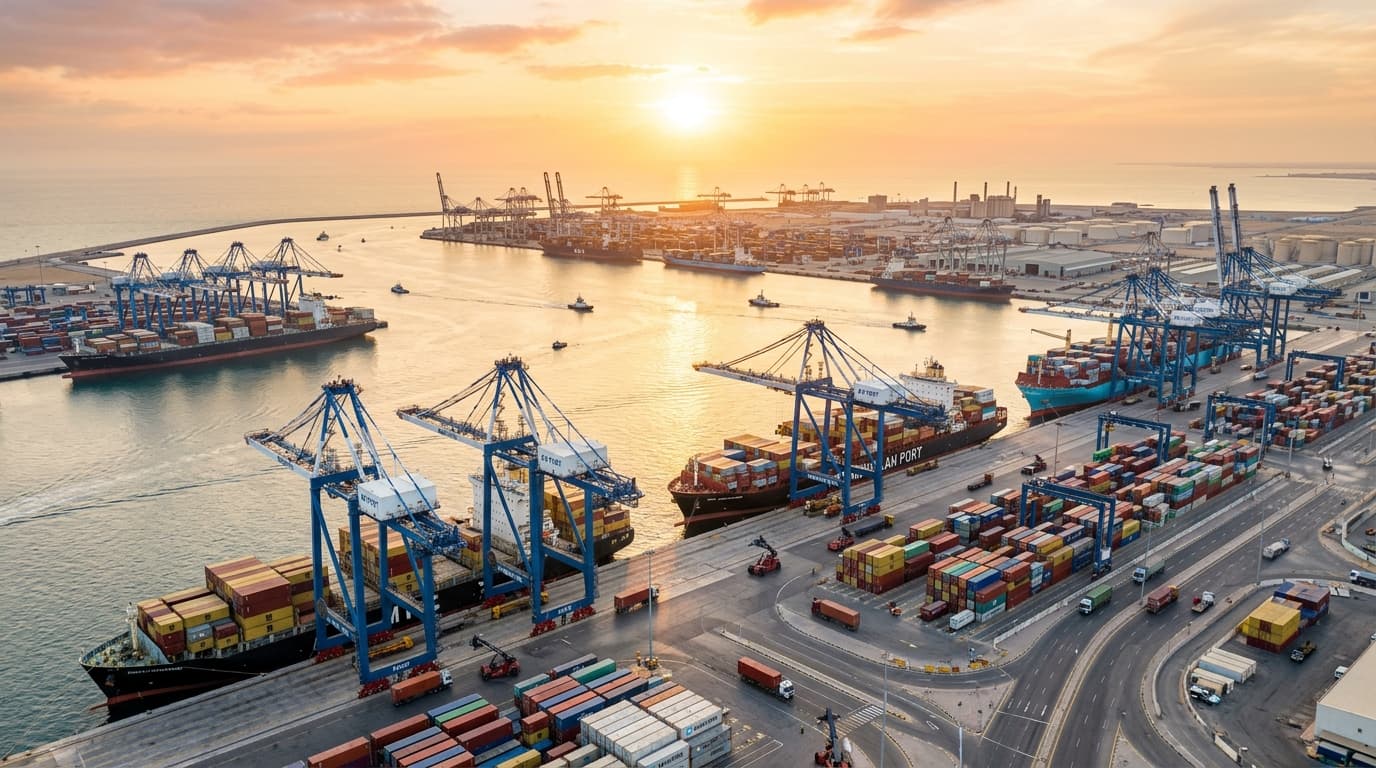
Molten sulphur (liquid) and powdered/crushed sulphur that creates dust remain fully regulated as Dangerous Goods. Safe Hands ships formed sulphur in full containers from Saudi ports.
Sulphur at a glance (IMDG Code, Amendment 42-24)
| UN number | UN 1350 SULPHUR |
|---|---|
| Class / packing group | Class 4.1 (flammable solid), Packing Group III |
| Special Provision 242 | “Sulphur is not subject to the provisions of this Code when it has been formed to a specific shape (such as prills, granules, pellets, pastilles or flakes).” (IMDG Code, SP 242) |
| Packing | P002, IBC08 |
| Stowage and segregation | SW1 “Protected from sources of heat”; SG17 “separated from” Class 5.1 |
| Emergency schedules | EmS F-A, S-G |
| Marine pollutant | No |
| Molten sulphur | UN 2448, Class 4.1 |
IMDG Code Amendment 42-24, in force from 1 January 2026 (IMO Resolution MSC.556(108)); entry as published by Germany's Federal Institute for Materials Research and Testing (BAM); UN 2448: NOAA CAMEO Chemicals. This guide covers sulphur in containers under the IMDG Code; sulphur loose in a ship's hold falls under the IMSBC Code.
Where Saudi sulphur goes
Saudi Arabia exported USD 165 million of sulphur in 2025, up 255% on 2024 (USD 46 million). Main buyers: China 32.4 m, India 30.1 m, Morocco 23.2 m, Egypt 22.5 m, Indonesia 21.6 m, Bangladesh 10.1 m (UN Comtrade, Saudi-reported exports).
Sulphur is one of many Saudi exports to Asia — plastics, organic chemicals, fertilisers and rubber are far larger.
Export from Saudi Arabia to China, India and AsiaOther dangerous goods Saudi exporters ship: fertilisers, chemicals and paints
Classification comes from the product's safety data sheet and the IMDG Code, not from the product family. Some fertilisers are dangerous goods and most are not; many liquid organic chemicals and solvent-based paints are. Unknown classification is reviewed by our team before we quote.
What you send us, and what we handle
You send: the safety data sheet, the UN number and class where the product is classified, the packing type and quantity, and for sulphur the product shape (formed or powder).
We handle: the check of the classification against the IMDG Code entry, the dangerous goods declaration, the carrier acceptance request with the booking, the container and the port, the export declaration on FASAH as a licensed customs broker, and the certificate of origin.
Export from Saudi ArabiaFrequently Asked Questions
Is formed sulphur dangerous goods?
Not under the IMDG Code. Special Provision 242 states: “Sulphur is not subject to the provisions of this Code when it has been formed to a specific shape (such as prills, granules, pellets, pastilles or flakes).”
What UN number is sulphur?
UN 1350 (Class 4.1, Packing Group III) for sulphur that is not formed, such as powder or crushed sulphur; UN 2448 for molten sulphur.
Since when does Amendment 42-24 apply?
It is mandatory from 1 January 2026 and could be applied voluntarily from 1 January 2025 (IMO Resolution MSC.556(108)).
Do fertilisers ship as dangerous goods?
Some do and most do not: the product's safety data sheet and the IMDG Code decide. Unknown classification is reviewed by our team before we quote.
Who files the export declaration for DG cargo?
Safe Hands, as a licensed customs broker, on FASAH; ZATCA customs service fees on exports are waived since 6 October 2024.